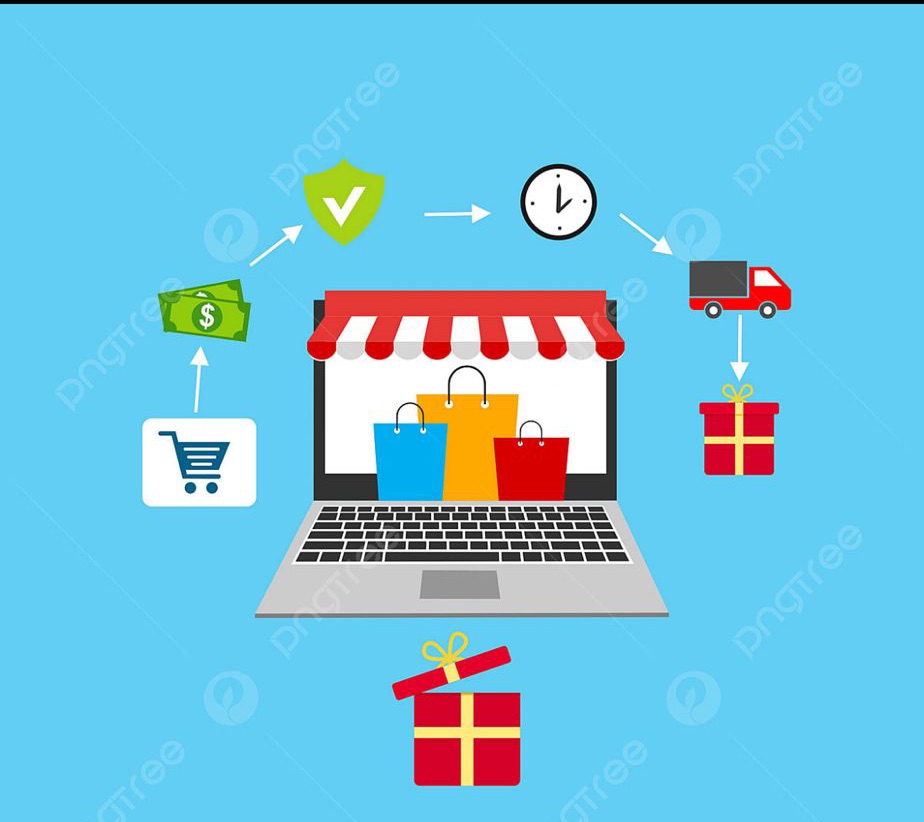
E-commerce refers to the process of buying and selling goods or services over the internet through websites or mobile applications. With the rapid development of technology and the widespread use of smartphones, e-commerce has become an essential part of daily life, allowing both individuals and businesses to reach wider markets and conduct transactions more easily.
Advantages of E-commerce:
1-Lack of physical inspection: Customers cannot touch or try the product before buying
2-Wide variety: Online stores often provide more options than traditional ones.
3-Global reach: Sellers can access customers worldwide without geographical limitations.
Disadvantages of E-commerce:
1-Lack of physical inspection: Customers cannot touch or try the product before buying.
2-Shipping issues: Orders may get delayed, lost, or damaged during delivery.
3-Security risks: There is a chance of fraud or theft of payment information.
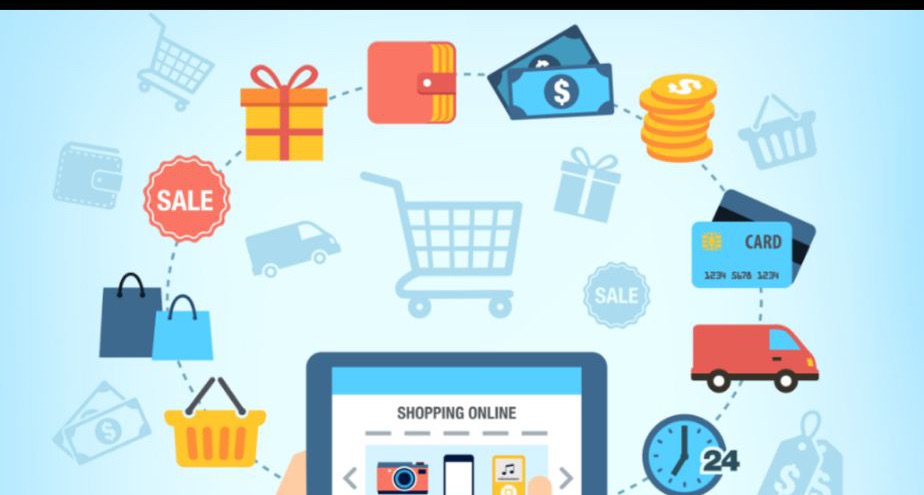
Types of E-commerce:
1-B2C (Business to Consumer)
2-B2B (Business to Business)
3-C2C (Consumer to Consumer)
Examples of Successful E-commerce Platforms:
-Amazon
-Alibaba
-Noon
Conclusion
E-commerce is not just a trend but a fundamental transformation in the way people trade and communicate. While it provides convenience, accessibility, and innovation, it also requires careful attention to challenges such as security, sustainability, and customer trust. In the future, technologies like artificial intelligence, blockchain, and virtual reality are expected to make e-commerce even more advanced and personalized.
.
Students work:Nouf
 عنوان الموقع